

Mystery Boxes

Updated: 7 days ago
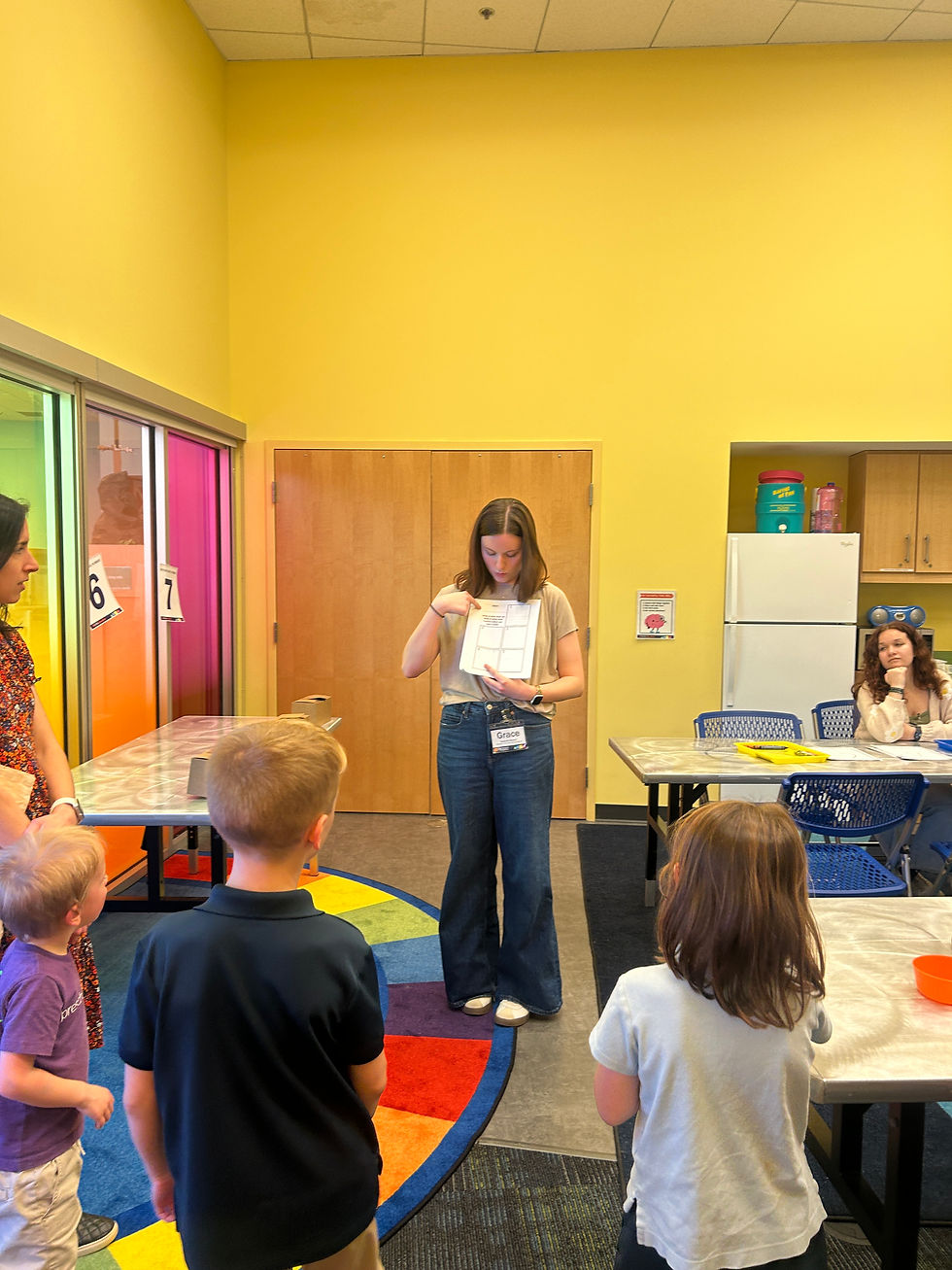
This week at Curiosity Club, we explored how much we can learn about something without ever seeing it. During Mystery Boxes, children used their senses, careful observation, and imagination to investigate objects hidden inside boxes, balloons, and bags.
Instead of looking first, kids were invited to describe what they noticed. From guessing hidden objects to matching sounds and textures, every station challenged children to gather clues and form ideas before revealing the answer.
The 10 Mystery Boxes

The biggest station invited children to move from box to box around the room, reaching inside each one and writing or drawing what they thought was hidden inside.
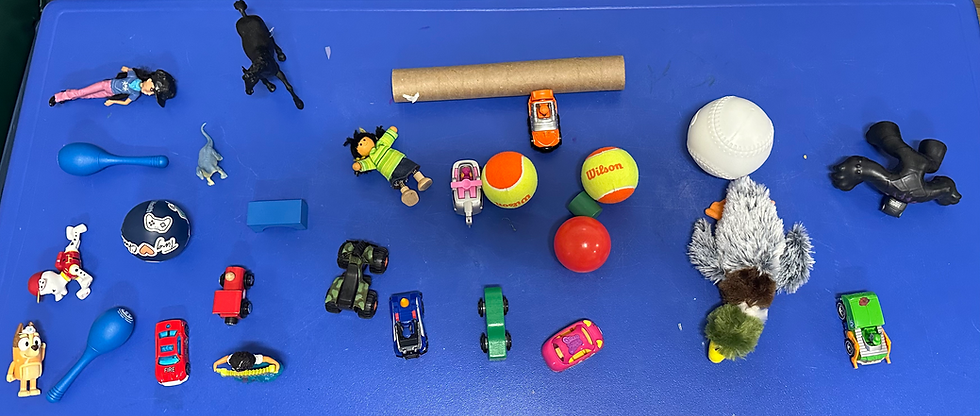
Because the objects were random and familiar, children often connected them to things they already knew. Some described the texture first. Others guessed based on size or shape. Kids compared ideas with one another and often wanted to check their thinking by trying another box right away.
This station turned the room into a much larger investigation, with each box offering a new small mystery to solve!
Play-Doh!

At one station, children reached their hands into mystery boxes to feel an object inside. But before they were allowed to look, they had to recreate what they thought the object was using Play-Doh.
Some children rolled shapes carefully while explaining their thinking:
“What does it remind you of?”
“What makes you think that?”

After finishing their Play-Doh creations, they opened the box to see the object inside and compare it to what they had made. Sometimes their guesses were close. Other times, the reveal sparked laughter and new ideas about what they had felt.
This station encouraged children to describe textures, shapes, and sizes; and showed how our brains form ideas even with limited information.
Matching

Another station focused on sound and touch. Four boxes held objects like paper clips, erasers, and popsicle sticks, while several balloons were filled with the same hidden materials.
Children shook, squeezed, and felt the balloons, trying to match each one to the correct object box. Some kids listened closely to the sounds the balloons made. Others focused on the way the objects shifted inside.
Facilitators encouraged careful reasoning with prompts like:
“What clues are you using?”
“What else could it be?”
It was fascinating to watch children change their guesses as they gathered more information.
Drawing What You Imagine!

At our final station, children were given a sheet of paper with a simple line or shape already drawn. Their challenge was to transform that shape into something new.
This activity reminded children that sometimes curiosity means seeing possibilities where others might see something ordinary.
How Mystery Boxes Promoted Curiosity
Comfort with uncertainty:
Children explored objects without seeing them first, encouraging them to observe carefully and make thoughtful guesses.
Alternative ideas:
Kids tested different explanations as they gathered clues from touch, sound, and shape.
Free exploration:
With multiple stations and open-ended materials, children had time to experiment, revise their ideas, and compare discoveries.
From Our Parent Handout
Curiosity Objective:
We can learn about objects by using our senses, making careful observations, and forming ideas even without seeing.
Prompts to Use:
• “What does it remind you of?”
• “What makes you think that?”
• “What else could it be?”
• “What clues are you using?”
Missed Mystery Boxes? We hope to see you at our next Curiosity Club session for more hands-on exploration and opportunities to wonder together!!


Comments